Digital Marketing Trends 2026: AI, Short-Form Video & Authentic Brand Storytelling
From TikTok micro-dramas to AR-powered shopping experiences, the future of marketing is driven by emotion, personalization, and cultural relevance.
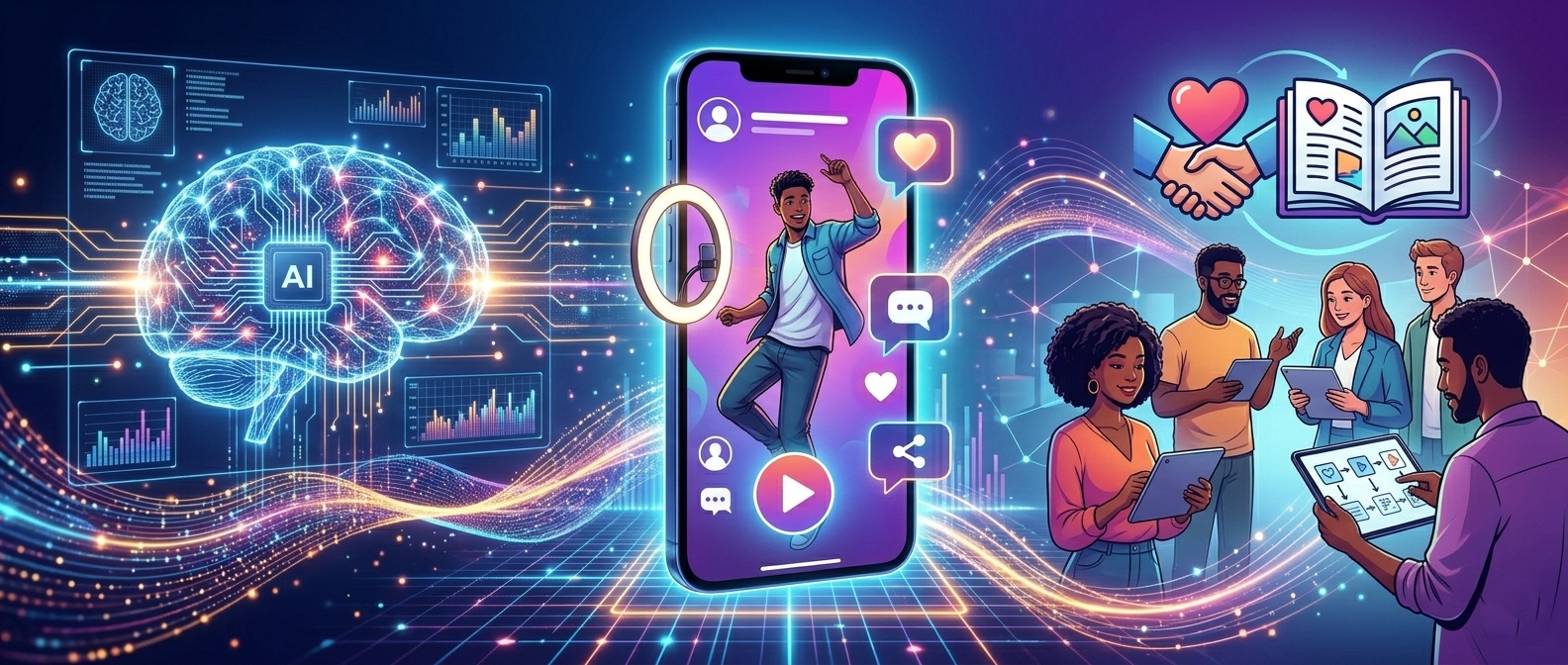
The world of digital marketing is evolving faster than ever. In 2026, brands that thrive are the ones embracing AI-powered content, short-form video storytelling, authentic community engagement, and immersive customer experiences. Traditional polished advertising is fading, while relatable, human-first content is dominating social platforms and search behaviours.
From TikTok micro-dramas to AR-powered shopping experiences, the future of marketing is driven by emotion, personalisation, and cultural relevance. Here’s a deep dive into the biggest digital marketing trends shaping 2026 and how businesses can stay ahead.
AI-Driven Content Marketing Is Reshaping the Industry
Artificial intelligence has become the backbone of modern marketing strategies. Brands now use AI tools for content generation, customer insights, predictive analytics, automated campaigns, and personalised experiences at scale.
However, as AI-generated content floods the internet, audiences are becoming more selective. Consumers crave authenticity and emotional connection rather than generic automated messaging.
Key AI Marketing Trends in 2026:
AI-assisted blog writing and SEO optimization
Hyper-personalised email campaigns
Predictive consumer behaviour analysis
AI-powered chatbots and customer service
Automated video and ad creation
The winning formula is no longer “AI vs. humans”, it’s AI enhanced by human creativity and storytelling.
Short-Form Video & Micro-Drama Dominate Social Media
Short-form video continues to lead engagement across platforms like TikTok, Instagram Reels, and YouTube Shorts. But in 2026, the trend has evolved into something bigger: micro-drama storytelling.
Brands are creating episodic, binge-worthy mini-series that feel more like entertainment than advertising. These quick story arcs increase watch time, audience loyalty and social sharing.
Why Micro-Drama Works:
Captures attention within seconds
Encourages repeat viewing
Builds emotional connection
Feels organic and relatable
Performs well with platform algorithms
At the same time, user-generated content (UGC) remains one of the most trusted forms of digital marketing. Consumers prefer seeing real people using products over polished commercials.
Best Practices for Short-Form Video Marketing:
Keep videos under 60 seconds
Use hooks within the first 3 seconds
Prioritise authenticity over perfection
Create episodic content series
Encourage audience participation and remix culture
Social Search Is Replacing Traditional Search Engines
Younger audiences increasingly use TikTok, Instagram, and YouTube as primary search tools instead of traditional search engines.
Consumers now search social platforms for:
Product reviews
Restaurant recommendations
Tutorials
Fashion inspiration
Travel guides
Shopping advice
This shift is transforming social media platforms into both discovery engines and direct sales channels.
What This Means for Brands:
Social SEO is now essential
Captions and keywords matter more than ever
Video discoverability impacts sales
Influencer partnerships drive purchasing decisions
In-app shopping experiences are growing rapidly
Businesses must optimise content for social discovery just as aggressively as they optimise websites for Google.
Nostalgic “Remix” Marketing Creates Emotional Connections
One of the biggest branding trends of 2026 is nostalgic remix marketing — blending aesthetics from the 1970s, 80s, 90s, and early 2000s with modern digital culture.
Consumers are responding strongly to familiar visuals, retro sounds, vintage design, and cultural references that create emotional comfort and brand familiarity.
Popular Nostalgia Marketing Elements:
Retro fonts and VHS aesthetics
Vintage-inspired campaigns
Throwback music and pop culture references
Y2K-inspired social content
Reimagined classic products
Brands are discovering that nostalgia increases emotional engagement while making content feel more human and memorable.
Authenticity & “Chaos Culture” Are Winning Attention
Gen Alpha and younger audiences are rejecting overly polished, corporate-style branding. Instead, they’re embracing “chaos culture”, content that feels spontaneous, imperfect, humorous, and real.
This trend marks a major shift away from hyper-curated aesthetics toward raw and relatable storytelling.
Characteristics of Chaos Culture Marketing:
Unfiltered behind-the-scenes content
Imperfect editing styles
Meme-driven communication
Casual brand voices
Trend participation in real time
Brands that appear too scripted or overly commercial risk losing trust and relevance.
Why Authenticity Matters:
Consumers are exhausted by algorithmic saturation and repetitive AI content. Authenticity has become a competitive advantage in digital marketing.
Community Building & Ethical Branding Drive Loyalty
In 2026, successful brands are no longer simply selling products, they are building communities and aligning with meaningful values.
Consumers increasingly support businesses that demonstrate:
Sustainability
Transparency
Ethical sourcing
Social responsibility
Inclusivity
Online communities built around shared interests and values are becoming powerful growth engines for long-term brand loyalty.
Community-Driven Marketing Strategies:
Private membership groups
Interactive livestreams
Creator partnerships
Brand ambassador programs
Customer-led storytelling
People want to feel connected to brands on a deeper emotional and social level.
AR & VR Experiences Are Transforming Online Shopping
Augmented reality (AR) and virtual reality (VR) are becoming essential tools for ecommerce and retail marketing.
Consumers increasingly expect “try-before-you-buy” experiences that reduce uncertainty and improve confidence before making purchases.
Examples of AR Shopping Experiences:
Virtual makeup try-ons
Furniture placement previews
Fashion fitting simulations
Interactive product demonstrations
Immersive virtual showrooms
Brands using AR-powered shopping tools are seeing higher engagement and increased conversion rates.
Why AR Marketing Matters:
Immersive experiences reduce friction in the buying journey while making shopping more entertaining and interactive.
The Future of Digital Marketing in 2026
Digital marketing in 2026 is no longer just about visibility, it’s about connection, trust, and experience.
The brands winning today are:
Using AI strategically without losing human creativity
Creating engaging short-form video content
Optimising for social search and commerce
Embracing authenticity over perfection
Building loyal communities around shared values
Delivering immersive AR-powered experiences
As algorithms evolve and consumer expectations shift, businesses that prioritise emotional storytelling and authentic engagement will lead the next era of digital marketing.
The future belongs to brands that feel human in an increasingly automated world. Authentic storytelling, community-driven engagement, and immersive digital experiences are no longer optional, they are essential for future growth.
Frequently asked questions
What are the top digital marketing trends for 2026?+
The top trends for 2026 include AI-driven content marketing, the rise of short-form video and micro-drama storytelling, social search optimization, nostalgic 'remix' marketing, authentic 'chaos culture' branding, and community building with ethical values. These areas are crucial for sustained growth and relevance.
How is AI impacting digital marketing in 2026?+
AI is reshaping marketing through content generation, hyper-personalization, predictive analytics, and automated campaigns. However, success lies in combining AI efficiency with human creativity to produce authentic, emotionally resonant content that stands out amidst algorithmic saturation.
Why is short-form video and micro-drama important for marketing?+
Short-form video, including micro-dramas, is vital for capturing attention quickly, encouraging repeat viewing, and building emotional connections. Platforms like TikTok, Instagram Reels, and YouTube Shorts favor this format, driving engagement and watch time through episodic and relatable content that feels more like entertainment.
What is 'social search' and how does it affect brands?+
Social search refers to younger audiences using platforms like TikTok and Instagram as primary search engines for product reviews, recommendations, and tutorials. This shift requires brands to optimize content for social discoverability, prioritize social SEO, and leverage influencer partnerships and in-app shopping features.
Why is authenticity so crucial in 2026 digital marketing?+
Authenticity is crucial because consumers are fatigued by generic, overly polished content and AI saturation. Brands that embrace 'chaos culture' – spontaneous, imperfect, and relatable content – build trust and deeper connections, especially with Gen Alpha, who value genuine interactions over scripted advertising.