Soft Socialising: Why Gen Z and Millennials Are Choosing Connection Without the Pressure
A new social trend is emerging — and it is much less about being the loudest person in the room and much more about simply being in the room.
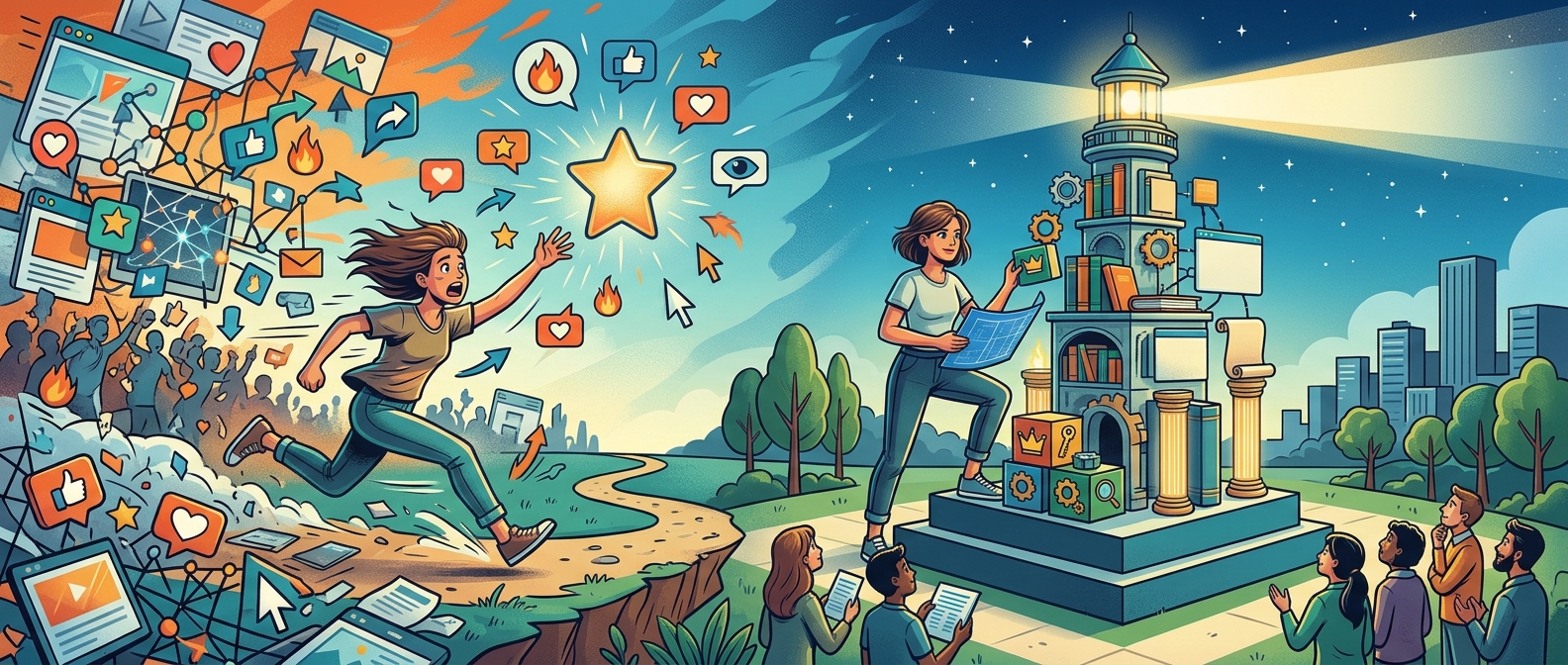
For years, socialising has increasingly happened through screens. Dating apps, social media, group chats, online communities and professional networking platforms have made it easier than ever to connect with other people.
And yet, many people have never felt more disconnected.
Now, a new social trend is emerging — and it is much less about being the loudest person in the room and much more about simply being in the room.
Welcome to soft socialising.
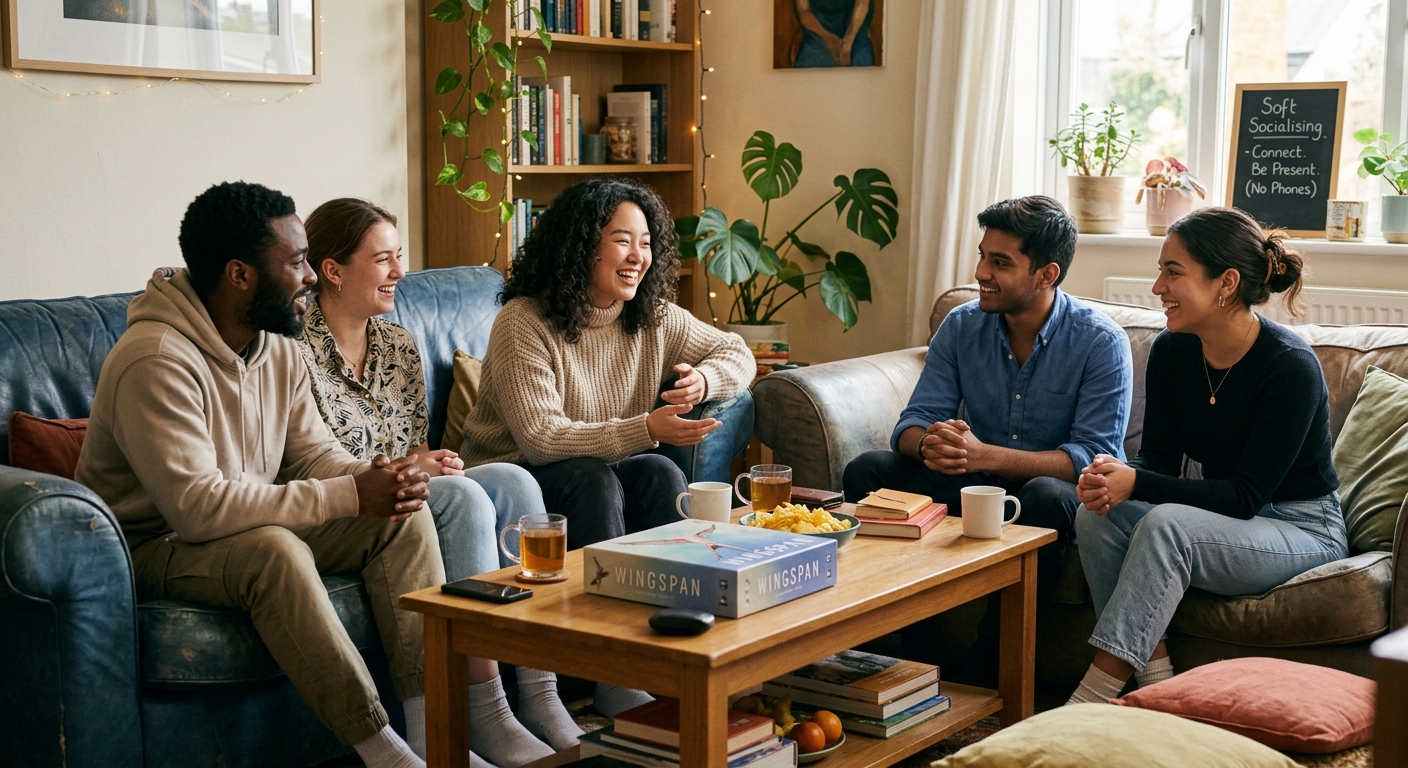
Soft socialising is the idea of connecting with people through relaxed, shared experiences rather than putting social interaction itself under the spotlight. Think puzzle competitions, flower-arranging classes, birdwatching, trivia nights, book clubs, mahjong, craft sessions, community walks or coffee tastings.
The activity gives people something to talk about, something to do and, importantly, something to focus on beyond simply making conversation.
According to Eventbrite's 2026 Social Study, 58% of respondents say socialising is important but prefer it not to be the main focus, while 45% want greater control over how and when they interact with others.
That tells us something important: people haven't stopped wanting connection. They've started rejecting the pressure that can come with it.
From "networking" to actually connecting
Traditional networking events can be exhausting.
Walk into a room full of strangers, find someone to talk to, introduce yourself, exchange LinkedIn details, make small talk and somehow make the interaction meaningful.
For some people, that sounds exciting.
For many others, it sounds like hard work.
The same can be true of dating apps. Profiles, photographs, algorithms, opening lines, ghosting, endless swiping and the pressure to make an immediate impression can turn something that should be enjoyable into another digital task.
Soft socialising takes a different approach.
Instead of:
"Come here and meet people."
The invitation becomes:
"Come here and do something you enjoy."
The social connection becomes a by-product of the experience rather than the objective.
And that subtle difference can completely change how people feel.
The activity becomes the conversation
Imagine joining a puzzle night.
You don't need to walk up to a stranger and ask, "So, what do you do?"
You're already discussing the puzzle.
Or you're at a cooking class.
You don't have to manufacture an opening conversation because you're already sharing an experience.
At a book club, you have the book.
At a walking group, you have the route.
At a craft evening, you have what you're creating.
At a trivia night, you have the questions.
The activity provides a natural social bridge.
Eventbrite's research reflects this shift. In the UK, attendance at flower-arranging events increased by 282%, while caffeine-tasting events increased by 80% in the number of events. Music bingo attendance also rose significantly.
These aren't necessarily traditional "social events".
And that's exactly the point.
Less performance. More participation.
One of the most interesting aspects of soft socialising is that it removes the expectation that everyone has to perform socially.
You don't have to be charismatic.
You don't have to be funny.
You don't have to talk constantly.
You don't even have to meet anyone new.
You can simply participate.
Eventbrite's research found that 44% of respondents prefer to focus on the experience itself, while 45% like having control over how and when they interact.
That is particularly relevant in a world where people are increasingly conscious of social energy, burnout and digital fatigue.
It also creates more inclusive opportunities for people who may find conventional social environments overwhelming.
A busy bar, loud networking event or crowded party can create a very different experience from sitting around a table completing a puzzle or taking part in a creative workshop.
The latter creates structure without rigidity.
There is a reason to be there, but there isn't an obligation to constantly socialise.
The return of the "third space"
Soft socialising is also connected to the growing importance of what sociologists often call third spaces — places outside home and work where people can spend time, interact and develop a sense of community.
Cafés, libraries, community centres, parks, independent venues, sports clubs, bookshops and creative spaces can all become third spaces.
And this is where the trend becomes bigger than dating.
It is about rebuilding community.
Eventbrite's research found that 89% of respondents believe it is important for an event to help them feel connected to their local community.
That suggests people aren't simply looking for entertainment.
They're looking for belonging.
Dating is changing too
Perhaps one of the most fascinating consequences of soft socialising is what it could mean for dating.
Rather than downloading another app and trying to judge compatibility from six photographs and a short biography, people can meet through shared interests.
A running club.
A board-game night.
A cooking class.
A volunteering project.
A local walking group.
A creative workshop.
The potential relationship develops from an existing shared experience rather than starting with the explicit pressure of "we are here to date".
That doesn't necessarily mean dating apps are disappearing.
Instead, it suggests people are looking for more human alternatives alongside them.
And friendships can develop in exactly the same way.
From consuming to participating
There is another important element to this movement: people increasingly want to participate rather than simply consume.
Eventbrite's 2026 research identifies a broader cultural shift it calls "Reset to Real", with younger audiences looking for experiences that feel authentic, participatory and less curated.
That could mean helping create a community garden, joining a clothing swap, taking part in a local art project or simply turning up to a neighbourhood event.
The experience becomes something people help create.
And that matters.
Because there is a big difference between watching hundreds of people live their lives online and actually sitting beside someone, laughing over a terrible answer in a quiz or discovering that you both love the same obscure band.
One is content.
The other is connection.
What this means for businesses and communities
Soft socialising presents a huge opportunity for venues, brands, community organisations and local businesses.
The winning experience may not be the biggest event.
It may be the one that makes people feel comfortable enough to come back.
A café could host a monthly puzzle evening.
A bar could run a relaxed creative night.
A sports club could create beginner-friendly social sessions.
A library could host themed discussion groups.
A business could replace a traditional networking event with a collaborative activity.
A local community could bring people together around gardening, walking, food, music or hobbies.
The key is to create a reason for people to gather without making "socialising" the task.
We don't want less connection. We want better connection.
Perhaps the biggest lesson from the rise of soft socialising is that people haven't become antisocial.
They are simply becoming more selective about how they socialise.
After years of scrolling, swiping, messaging and interacting through screens, there is something incredibly powerful about being physically present with other people.
Not necessarily at a huge event.
Not necessarily in a crowded nightclub.
Not necessarily at a formal networking session.
Sometimes it is just sitting around a table with a few people you've never met, working out the answer to a ridiculous trivia question.
And maybe that's the future of socialising.
Less pressure. Less performance. Less doomscrolling.
More shared experiences.
More local communities.
More hobbies.
More laughter.
More reasons to leave the house.
And, ultimately, more opportunities to connect naturally.
Because perhaps people don't need another platform to help them meet each other.
Perhaps they just need a reason to show up.
Frequently asked questions
What is soft socialising?+
Soft socialising is a social trend where individuals connect through relaxed, shared experiences rather than direct social interaction. Activities like puzzle competitions, book clubs, or craft sessions provide a focus beyond conversation, reducing social pressure and fostering authentic connections.
Why are Gen Z and Millennials embracing soft socialising?+
Gen Z and Millennials are embracing soft socialising to find genuine connection without the performance pressure of traditional social events or dating apps. They prioritize authenticity, participation, and control over their social interactions, seeking community and shared experiences.
How does soft socialising differ from traditional networking?+
Unlike traditional networking, which often focuses on direct introductions and making an immediate impression, soft socialising uses a shared activity as the primary focus. Social connection becomes a natural byproduct, removing the explicit pressure to perform or 'network' directly.
What are examples of soft socialising activities?+
Examples include puzzle competitions, flower-arranging classes, birdwatching, trivia nights, book clubs, mahjong, craft sessions, community walks, or coffee tastings. These activities provide a structure and shared interest that facilitates casual interaction and connection.
How does soft socialising impact dating and community building?+
For dating, it allows connections to form organically through shared interests rather than app-based pressure. For community, it emphasizes 'third spaces' outside home and work, like cafés or community centers, helping people find belonging through participation in local events.