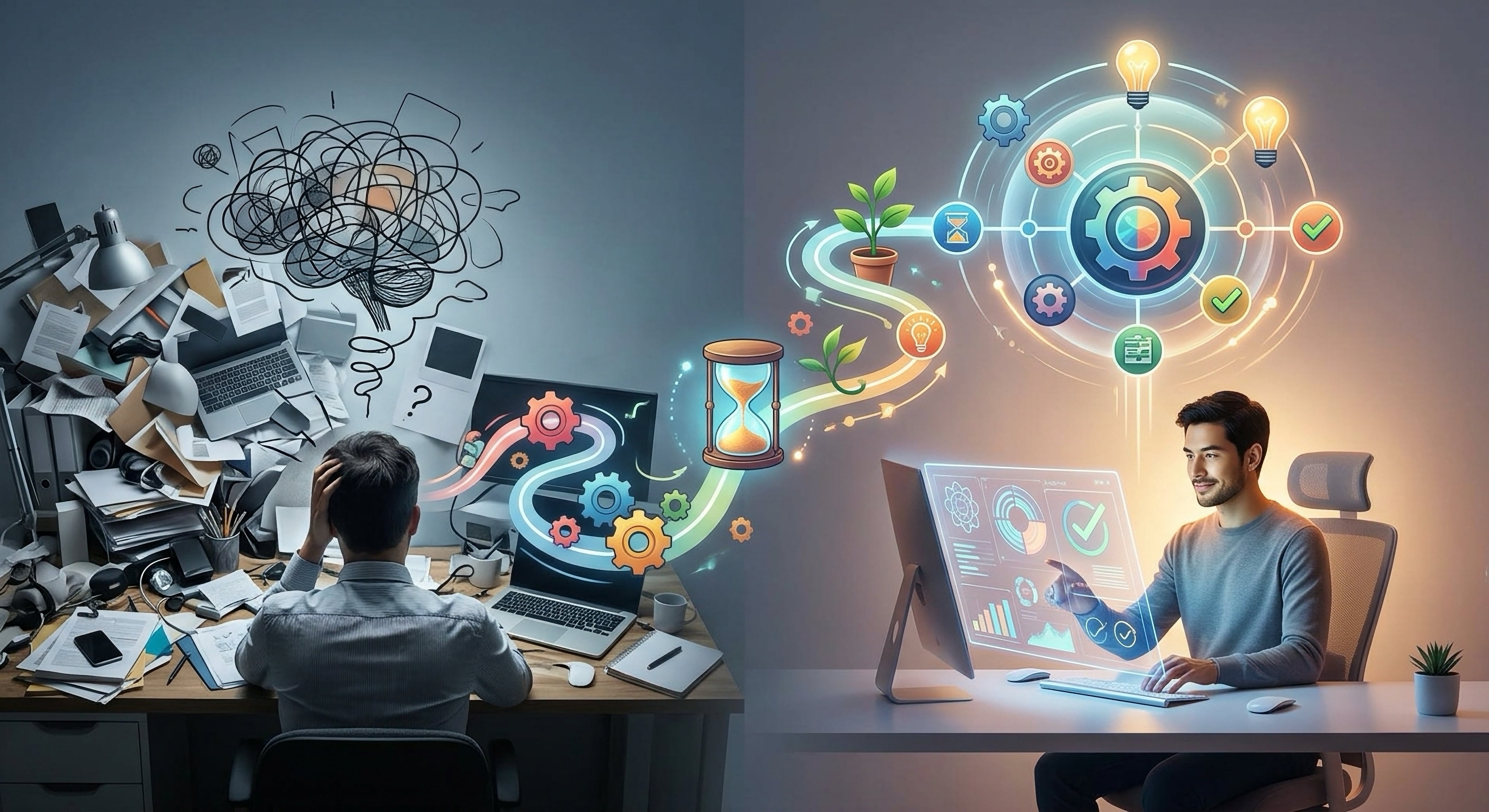
A Year of Change, Challenges and Possibilities
The directors of FK Digital Alliance reflect on 2026, exploring the challenges of digital development, AI, changing communication and what businesses can expect from technology in 2027.
As another year draws towards its close, we find ourselves reflecting on just how much has changed in technology, communication and the way we do business. It has been a year of challenges, opportunities, learning and, above all, constant adaptation.
There is something quite extraordinary about working in technology. Just when you think you have caught up, something new appears, expectations shift and the rules of the game change again.
As directors of FK Digital Alliance (FKDA), we have experienced this first-hand throughout the year. Looking back, it is difficult to believe how much has happened in such a relatively short period of time. Not just in the technology we develop, but in the way people communicate, work, discover information and interact with businesses.
And perhaps the most interesting thing is that we are only just beginning.
The challenge of keeping up with a world that never stops
Technology has always moved quickly, but the pace of change over the past year has been particularly remarkable.
Artificial intelligence has moved from being something that many businesses were curious about to something they increasingly expect to understand, use and integrate into their everyday operations.
The way we search for information is changing. The way we create content is changing. The way businesses communicate with customers is changing. Even the expectations people have when visiting a website or using a digital service are evolving.
For businesses like ours, this creates both opportunities and challenges.
We have to constantly question what we know, explore new tools, test new approaches and sometimes rethink solutions that, only a short time ago, seemed perfectly adequate.
There is also a responsibility that comes with this. Just because a new technology exists does not mean it is necessarily the right solution.
Our challenge is not simply to follow every new trend. It is to understand which developments genuinely improve the way people work, communicate and access information.
That distinction matters.
The highlights: turning ideas into practical solutions
One of the most rewarding aspects of our work this year has been seeing how different ideas can become practical digital solutions.
At FKDA, we have continued to explore the possibilities of bespoke web applications, custom CRM systems, business automation, interactive experiences and AI-enabled technology.
Our projects have taken us into very different environments, each with its own challenges and opportunities.
From operational systems that help businesses manage their day-to-day activities, to interactive digital experiences that bring information to life, we have been reminded that technology has no single purpose or shape.
A good digital solution does not have to be complicated. It has to solve a problem.
We have also continued developing ideas around accessibility, neuro-inclusive technology and making digital experiences more useful for people with different needs and ways of thinking.
These projects reinforce something we strongly believe: technology should bring people together, remove barriers and make things easier, not create additional obstacles.
Perhaps one of the biggest highlights is simply the opportunity to keep experimenting, learning and creating. Being a small, independent digital development business allows us to work closely with ideas, question conventional approaches and build solutions around real requirements rather than forcing businesses into predefined systems.
That is something we value enormously.
Communication is changing just as quickly as technology
Another significant change this year has been the way businesses communicate.
Traditional approaches to marketing and communication are being challenged. Social media platforms evolve their algorithms, search engines change how they present information, AI-generated content becomes increasingly common and audiences become more selective about what they read, watch and engage with.
Simply having a website is no longer enough.
Businesses need to think about their entire digital presence: how people discover them, how they understand their services, how they interact with them and what encourages them to take the next step.
Communication is becoming more immediate, more visual and increasingly personalised.
Short-form video, interactive content, conversational interfaces and AI-assisted communication are changing the relationship between businesses and their audiences.
But there is an interesting contradiction here.
The more automated and digital our communication becomes, the more valuable genuine human connection seems to be.
People still want to speak to people. They still value trust, honesty, experience and a sense that somebody understands their needs.
We believe this is something businesses should never lose sight of.
Technology can improve communication, but it cannot replace the importance of communicating with purpose.
The reality of being a small digital business
It would be easy to write an end-of-year article focusing only on achievements and exciting developments. However, running a small digital business also means acknowledging the less glamorous side.
There are competing priorities, tight deadlines, changing requirements, technical challenges and the constant pressure to balance development, business administration, client relationships and future planning.
Sometimes the most difficult part is not building the solution itself, but helping people understand what is possible, what is realistic and what will genuinely make a difference.
We have also seen how quickly a business's needs can change. A project that starts with one objective can develop into something much bigger as new opportunities become apparent.
That requires flexibility, patience and, occasionally, the courage to go back to the drawing board.
As a small team, we do not have the luxury of standing still. We have to keep learning, stay curious and make thoughtful decisions about where to invest our time and energy.
But that is also one of the things we enjoy most about what we do.
Every challenge brings a new perspective, and every project teaches us something.
What should we expect from technology in the future?
As we approach the end of 2026, it is tempting to make predictions about what the next twelve months will bring.
Some developments are already becoming clear.
1. AI will become more integrated into everyday business operations.
We expect to see more businesses moving beyond experimenting with AI and towards integrating it into practical workflows. From customer management and administration to reporting, information processing and intelligent applications, AI will increasingly become part of how organisations operate.
2. Bespoke software will become increasingly important.
As businesses become more digitally mature, many will realise that generic software does not always meet their needs. We believe there will be growing demand for connected systems, custom applications and platforms designed around specific business processes.
3. The way people search and discover businesses will continue to evolve.
Search engines, AI assistants, conversational search and social platforms are changing how people find information. Businesses will need to think beyond traditional SEO and build a digital presence that is useful, credible, accessible and easy for both people and emerging discovery technologies to understand.
4. Automation will become less of a luxury and more of a necessity.
Businesses will increasingly look for ways to reduce repetitive work, connect disconnected systems and improve efficiency. The opportunity is not simply to automate everything, but to identify where automation can give people more time to focus on meaningful work.
5. Human-centred technology will matter more than ever.
As digital experiences become more sophisticated, accessibility, usability, inclusion and trust will become even more important. The best technology will not necessarily be the most impressive or complicated. It will be the technology that people can actually use and benefit from.
Looking ahead: what kind of future do we want to help build?
For us, the future of FK Digital Alliance is not simply about adopting the newest technologies or developing increasingly complex applications.
It is about bringing together lived experience, information design and technology to create meaningful solutions.
We want to continue working with businesses, organisations and communities that have ideas, challenges and ambitions, helping them turn those into practical digital products and services.
We are particularly interested in the space between an idea and its implementation: understanding a problem, exploring the possibilities, designing the right approach and building something that can genuinely make a difference.
We also recognise that the next few years will require a different mindset from businesses and technology providers alike.
We cannot assume that the way we work today will be the way we work tomorrow. We have to remain open to change, willing to learn and prepared to challenge our own assumptions.
And perhaps that is the biggest lesson this year has taught us.
A final thought as the year comes to a close
If there is one thing we are taking away from 2026, it is that progress is not always about moving faster.
Sometimes it is about stopping to ask better questions.
Are we solving the right problem? Are we making something genuinely useful? Are we communicating in the right way? Are we using technology because it adds value, or simply because it is available?
These are questions we will continue asking ourselves as we move into the next year.
We would like to thank everyone who has worked with us, supported our ideas, challenged our thinking and trusted us with their projects throughout this year.
Every conversation, collaboration and challenge has contributed to where we are today.
The technology will continue to change. The tools will evolve. New possibilities will emerge, and some of the things we consider innovative today will soon become ordinary.
But our belief remains the same: the real value of technology lies in what people can achieve with it.
From all of us at FK Digital Alliance, thank you for being part of the journey.
Here's to the challenges, ideas and possibilities that lie ahead.
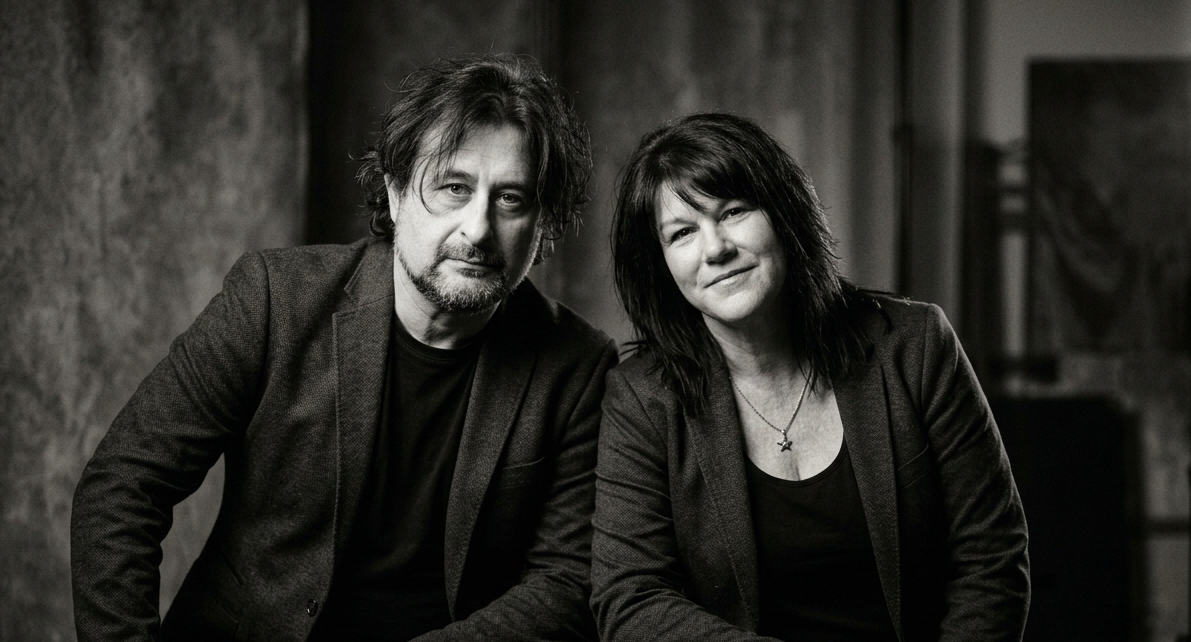
Fabio and Michelle
Frequently asked questions
What digital development trends will impact businesses the most?+
Businesses are primarily impacted by the integration of artificial intelligence, bespoke web applications, and automated CRM workflows. Rather than adopting every new platform, organizations must focus on targeted digital tools that solve operational friction, streamline day-to-day processes, and enhance digital accessibility for users across diverse cognitive and technical backgrounds.
How can businesses successfully balance AI automation with human connection?+
While AI tools accelerate communication and streamline customer touchpoints, businesses should treat automation as an operational aid rather than a replacement for authentic engagement. Success relies on combining rapid, personalized digital interfaces with transparent, human-led customer support that preserves trust, empathy, and meaningful client relationships as automated technology expands.
Why is neuro-inclusive technology important for modern web design?+
Neuro-inclusive technology ensures digital platforms accommodate diverse cognitive needs, processing styles, and accessibility requirements. By designing flexible web architectures and clear visual structures, businesses eliminate engagement barriers, expand audience reach, and deliver intuitive digital experiences that serve all users equitably without unnecessary technical friction.
When should a business invest in bespoke web development over off-the-shelf software?+
A business should consider bespoke development when standard off-the-shelf software fails to support unique operational workflows or constrains long-term scaling. Custom web applications and tailor-made CRM solutions allow organizations to build software around precise operational needs, ensuring greater flexibility, enhanced data security, and seamless workflow automation.